Proud Cheer Mom: A Practical Designer’s Take
First Impressions: Cheerful, Bold, and Ready for Mom Moments
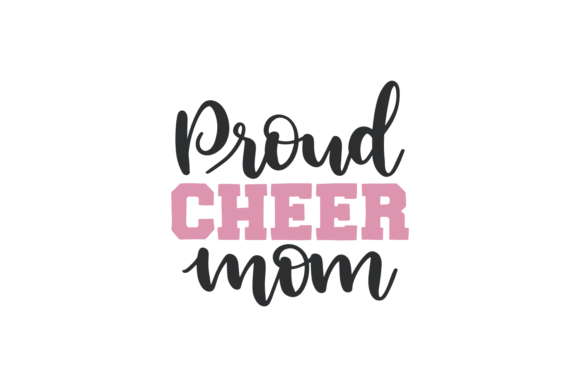
The first time I opened the Proud Cheer Mom design, I immediately pictured a custom embroidered tote bag or a cozy sweatshirt for a client who loves to show off her cheerleading kid. The layout is clean and confident, with bold lettering and a fun, slightly playful theme that fits perfectly with the “mom of a cheerleader” vibe. It’s not overly flashy, but it carries enough personality to stand out on a boutique-style garment or a personalized gift.
What struck me most was the visual balance—no part of the design feels crowded, and the spacing between letters seems intentional for embroidery clarity. It gives off a warm, approachable energy that works well for handmade items like baby clothes, aprons, or even pillow covers in a cheer-themed nursery.
Real-World Use: From Sweatshirts to Holiday Gifts
I tested the Proud Cheer Mom design on a few different fabric types and product styles. First up: a medium-weight cotton sweatshirt. The stitch clarity was solid—no distortion in the lettering, even with a standard stabilizer. The satin and fill stitches held up well, and the overall density felt just right for a machine embroidery design meant for everyday wear.
Next, I stitched it onto a tote bag made from canvas fabric. The result was clean and professional-looking, which makes this design a strong contender for Etsy sellers or small shop owners looking to add a themed product to their lineup. It also translated nicely onto a baby onesie—though I made sure to use a soft stabilizer to avoid stiffness on the delicate fabric.
For holiday gifts or boutique items, this design works well with minimal thread color changes, which helps keep production time efficient. It’s also versatile enough to be used on embroidered patches, tea towels, or even caps with a bit of hoop size planning.
Where to Use with Care: Fabric, Hoop Size, and Detail Sensitivity
While Proud Cheer Mom performs well on standard cotton and canvas, I noticed it requires a bit more attention on stretchy or thin fabrics. The satin stitches can pucker slightly if the tension isn’t dialed in just right, especially on thinner materials. I’d recommend using a lightweight stabilizer and possibly reducing the stitch density slightly for those cases.
Dark fabrics bring out the contrast beautifully, but if you’re using light thread colors, test a small area first—some details may get lost depending on the thread shade and fabric texture. Also, if you’re planning to stitch this on a curved surface like a cap, make sure the hoop can accommodate the curve without distorting the design.
Small hoop sizes may be a challenge, particularly if the full design doesn’t fit without scaling. In that case, consider simplifying or trimming the layout to maintain clarity. Also, check the corners and small lettering closely—those areas can sometimes get a bit lost if the design is resized too aggressively.
Visual Appeal and Customer Impact
One of the biggest selling points of Proud Cheer Mom is its visual appeal. It’s not just a design—it’s a statement. For small business owners and Etsy sellers, that kind of instant recognition is gold. It adds a layer of professionalism to handmade products and gives customers a reason to pause and take notice.
On personalized gifts like sweatshirts or tote bags, it elevates the perceived value. People love designs that feel custom and meaningful, and this one fits that perfectly. For boutique branding or holiday merchandise, it offers a consistent, cheerful look that aligns well with seasonal or themed collections.
From a buyer engagement standpoint, this design invites interaction. It’s the kind of thing that gets shared on social media or sparks conversations at craft fairs. That kind of organic reach is invaluable for creative entrepreneurs looking to grow their brand presence.
Practical Notes for Embroidery Designers
If you’re considering using Proud Cheer Mom in your next project, here are a few practical tips I picked up during testing:
- Test on scrap fabric first—especially if you're using a new stabilizer or unfamiliar thread colors.
- Check thread contrast against both light and dark backgrounds to ensure visibility and clarity.
- Review stitch density before stitching on stretchy or thin fabrics to avoid puckering.
- Confirm hoop size compatibility—especially if you're working with curved surfaces or small items like caps.
- Inspect small details like letter corners and thin lines to make sure they translate well after stitching.
- Test in black and white mockups to see how the design looks without color influence.
- Use proper stabilizer based on fabric type—cutaway for stretchy fabrics, tear-away for stable cottons.
- Verify licensing before selling finished items or digital products, especially if you're reselling embroidery files or using them commercially.
It’s also worth comparing how the design looks on both light and dark fabric backgrounds. I found it worked best with a slight thread color tweak depending on the base fabric, which helped maintain the visual punch.
Final Thoughts: A Versatile Design for Real Projects
Overall, Proud Cheer Mom is a solid choice for embroidery designers, crafters, and small business owners looking to add a themed, marketable design to their collection. It holds up well in real-life embroidery situations and offers a balance of clarity, charm, and commercial appeal.
Whether you’re creating custom apparel, personalized gifts, or boutique merchandise, this design has the flexibility and visual strength to stand out. Just be mindful of fabric type, hoop size, and thread contrast to ensure the best results—and always test before stitching on your final product.